W a r E l e p h a n t s & A n c i e n t W a r f a r e
_edited.jpg)
Who were theTapun Ya Chang?
Not every man around royal elephants rode into battle. Some carried grass. Some cleaned waste. Some disappeared into history without names.
The Tapun Ya Chang were workers assigned to feed and care for royal elephants and horses , and to clean dung, urine and animal shelters in ancient Siam.
In certain periods, convicted criminals or disgraced officials could be punished by being sent into this harsh labor system.
While kings fought atop elephants and commanders earned glory, others labored beneath them — cutting grass, hauling food, and sustaining the enormous machinery behind the kingdom’s elephant forces.War elephants carried power.
But power itself was carried by countless unseen hands.
Who were the Jatulungabata?

.png)
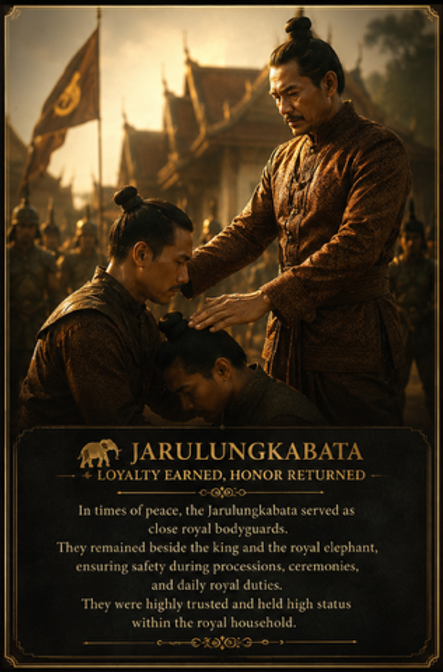
The Jatulungabata (จาตุลังคบาท) were elite royal guards assigned to protect war elephants — especially the legs and lower body of the royal elephant during battle.
In ancient Siam, the distinction between soldier, royal guard, and police-like authority was often blurred. The Jatulungabada were likely all of these at once: highly trusted men who served close to the king in both war and peace.
Historical descriptions portray them as skilled close-combat warriors, trained in swords, spears, knives, and even forms of early Siamese martial arts.
They moved beside the elephant through chaos — dust, smoke, mud, blood, and the thunder of battle.
Their mission was critical.If enemy soldiers managed to slash the tendons of an elephant’s legs, the elephant could collapse. And if the royal elephant fell, the king himself could be defeated, captured, or killed.
That is why the Jatulungabata guarded the elephant’s legs with their lives.
Interestingly, some ancient statues and historical depictions of Jatulungabata — despite being centuries old — bear striking similarities to the appearance and posture of modern high-ranking military guards.
To some, it is merely coincidence. To others, it reflects an old Thai belief that certain souls are born again into similar duties across different eras.
During times of peace, these men also served in close royal protection, remaining near the king and royal elephants even outside the battlefield.
History remembers the kings atop the elephants.
But beneath them stood warriors almost forgotten.
"Yutthahatthi"
The Kings and The Royal Elephant Duels
_edited.jpg)
_edited.jpg)
From the earliest kingdoms of Siam, war elephants were not merely animals of battle — they were symbols of royal power, courage, sacrifice, and the fate of the kingdom itself.
Long before the legendary battle of King Naresuan, Siamese history had already recorded rulers and warriors fighting atop elephants in ancient warfare.
One of the most revered stories is that of Queen Suriyothai, who disguised herself as a male warrior and rode into battle beside King Maha Chakkraphat.

When the king’s elephant lost position and danger closed in, she drove her elephant forward to shield him and was struck down by a glaive upon the elephant’s neck. Though she fell in battle, her sacrifice became one of the greatest symbols of bravery and loyalty in Thai history.
Yet among all elephant wars, the most legendary remains the Yutthahatti — the elephant duel between King Naresuan the Great and Crown Prince Mangchi Jawa of Burma.
According to Thai chronicles, King Naresuan’s war elephant, enraged in musth, broke deep into enemy lines amid smoke, chaos, screams, and swirling dust.
When the dust finally settled, only King Naresuan, his younger brother, and a small number of royal guards and Jarulungkabata remained surrounded inside the Burmese army.Escape was nearly impossible.
Rather than retreat, King Naresuan challenged the Crown Prince to single combat upon elephant back — a warrior’s duel for honor before the eyes of both armies.
But Yutthahatti was not only about honor.In many ancient beliefs, a duel between kings or commanders could also reduce the scale of slaughter on the battlefield. Instead of tens of thousands dying in endless bloodshed, rulers themselves accepted the risk of death and placed their own lives upon the line.
Kings in ancient Siam were not merely rulers giving orders from behind palace walls. They fought. They bled. And sometimes, they died beside their soldiers.
The battle ended when King Naresuan struck the Crown Prince down with a powerful blow from the royal glaive, killing him upon the elephant’s back.
The death of the Burmese heir shattered the morale of the enemy army. In ancient warfare, kings and commanders were not merely military leaders — they were the heart and spirit of entire armies. When they fell, armies often collapsed with them.
Around the royal elephant stood many unseen figures: mahouts, weapon bearers, infantry guards, Jarulungkabata protecting the elephant’s legs from enemy attacks, and countless laborers who fed, cleaned, and sustained the war elephants behind the front lines.
For in ancient warfare, if a war elephant fell, the king himself could fall with it. War elephants were therefore treated with immense honor in Siam. They were granted royal titles, cared for within palace grounds, and regarded not merely as beasts of war, but as sacred guardians of the kingdom.
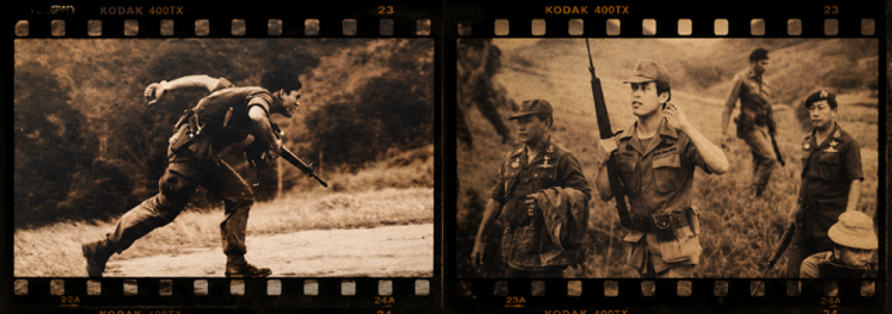
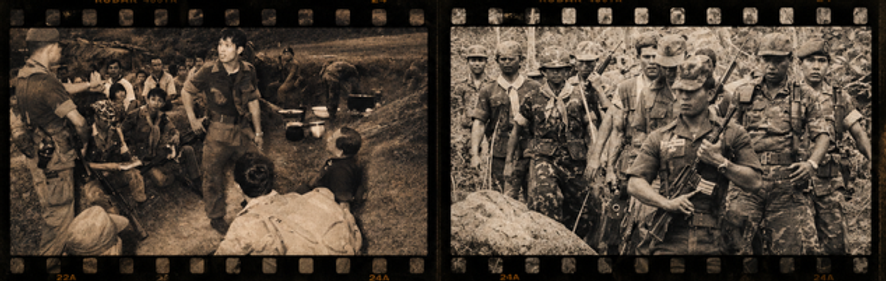
Though the age of war elephants has passed, the Thai ideal of leaders sharing danger beside their people still echoes through modern history.
Although elephant warfare no longer exists in modern times, many Thais still deeply admire kings who personally faced danger alongside their people.
Even in the modern era, Thailand’s current king served in military operations against communist insurgents and accompanied his father, King Bhumibol Adulyadej, on missions throughout remote and dangerous regions as part of royal security duties.
To many Thais, this spirit of duty — of kings willing to stand close to danger rather than remain distant from it — remains deeply meaningful. This is one reason why many Thai people who study their history feel profound pride and love for the Thai monarchy.
For in Thai memory, elephants and kings once stood together in defending the kingdom, preserving independence, and ensuring that Siam would never become a colony of foreign powers.
Some battles faded into dust long ago.But the memory of elephants, kings, and sacrifice still walks quietly through the heart of Siam.